Oahu, often called the “Gathering Place,” is a paradise for photographers. Its unique combination of lush mountains, golden beaches, and vibrant flora creates a stunning natural canvas. For photographers, understanding how to incorporate the island’s landscapes and natural beauty into their work is essential to capturing unforgettable images. Nature is not just a backdrop in Oahu photography; it plays a central role in shaping mood, composition, and storytelling.
Understanding Oahu’s Diverse Landscapes
Oahu is home to an array of landscapes, each offering unique photographic opportunities. From the iconic Waikiki beaches to the towering Koʻolau mountains, every corner of the island has something special to offer. Oahu Photographers often find inspiration in the contrast between the soft sandy shores and the rugged cliffs, or in the interplay of sunlight and shadows on verdant valleys. Coastal areas provide opportunities for capturing serene ocean scenes, while inland hikes reveal cascading waterfalls, dense rainforests, and volcanic ridges.
The island’s landscape diversity allows photographers to experiment with different styles and techniques. Wide-angle shots can highlight sweeping vistas, while close-ups in forests and gardens emphasize intricate natural details. By exploring Oahu’s varied terrain, photographers can create images that convey both scale and intimacy, showing the island’s grandeur and the subtle beauty of its ecosystems.
The Impact of Light and Weather
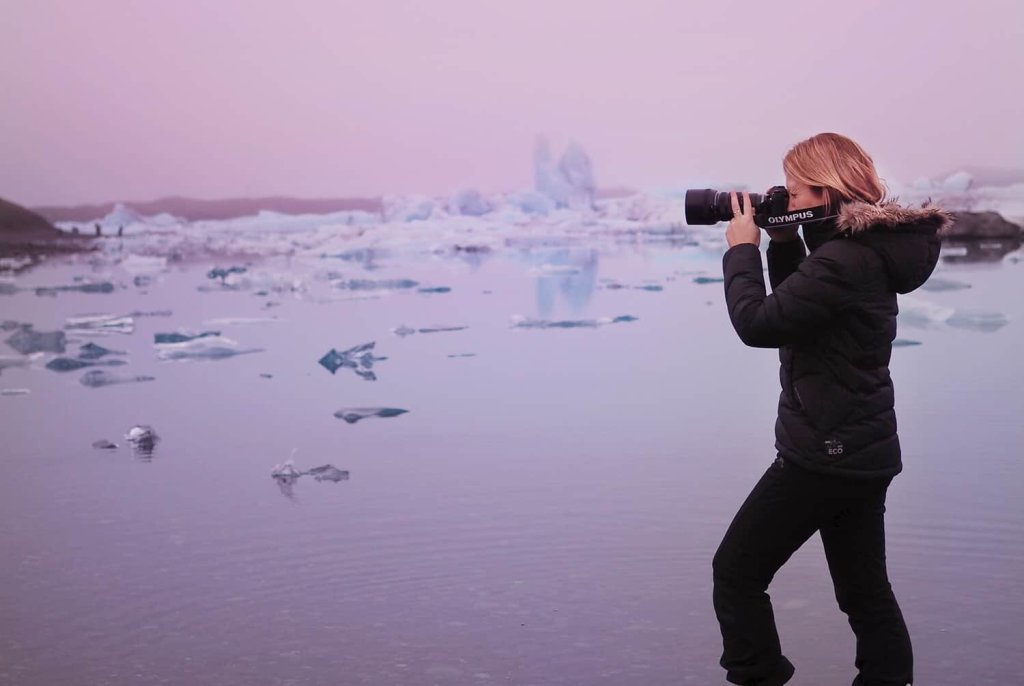
Light plays a crucial role in Oahu photography. The island’s tropical climate produces dynamic lighting conditions, from soft morning hues to dramatic sunsets. Coastal areas often experience golden light that enhances the warmth of sand and water, while mountain valleys can produce striking shadows that add depth to images. Cloud formations and changing weather patterns also contribute to mood, offering opportunities for capturing atmospheric and evocative scenes.
Rain showers are common in Oahu and can transform ordinary landscapes into dramatic photographic subjects. Mist rising over valleys, reflections in puddles, and raindrops on leaves create texture and depth. Photographers who embrace these conditions often find unique shots that set their work apart. By observing how light and weather interact with the environment, photographers can anticipate moments of beauty and capture them in ways that highlight the island’s natural essence.
Nature as a Storytelling Element
In Oahu photography, nature is more than a visual element; it helps tell a story. Photographers use landscapes to evoke emotion, create context, and highlight cultural significance. A solitary figure walking along a deserted beach can convey peace and solitude, while a lush waterfall surrounded by vibrant greenery may suggest adventure and exploration.
In addition, incorporating natural elements such as native plants, volcanic rocks, or the ocean can give images a sense of place. Photographers often use leading lines, natural framing, and textures to guide the viewer’s eye and create a narrative. For example, a winding trail through a forest can draw attention toward a hidden waterfall, telling a story of discovery and immersion in nature.
Connecting with the Environment
Successful Oahu photography requires an awareness and respect for the environment. Photographers benefit from slowing down and observing natural patterns, seasonal changes, and the movement of light. By immersing themselves in the landscape, they can capture authentic moments that reflect the island’s character. Engaging with nature also encourages creativity, as unexpected encounters with wildlife, weather, or terrain can inspire innovative compositions.
Ultimately, Oahu’s landscapes and natural beauty are central to creating compelling photography. From dramatic cliffs and serene beaches to verdant valleys and cascading waterfalls, the island offers endless opportunities to explore, experiment, and express. By understanding the interplay of light, weather, and environment, photographers can transform ordinary scenes into extraordinary visual stories, capturing the true spirit of Oahu through the lens.
Nature and landscape in Oahu are not just scenery—they are active participants in photography, shaping mood, narrative, and artistic vision. Every photograph taken on the island is a testament to the harmony between the photographer and the environment, showcasing the timeless beauty of one of the world’s most captivating islands.
 Lenzly